Radio interview - ABC Radio National
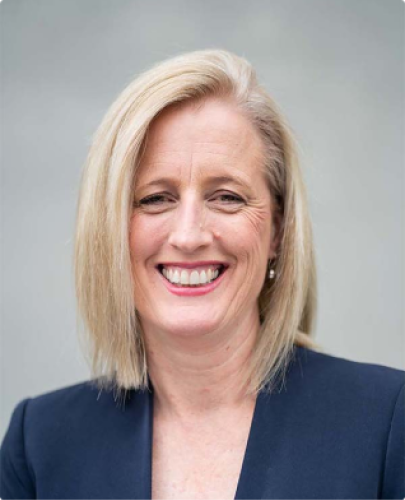
SENATOR THE HON KATY GALLAGHER
Minister for Finance
Minister for Women
Minister for the Public Service
Minister for Government Services
Senator for the ACT
SALLY SARA, HOST: Well, to federal politics now. And the Reserve Bank has hiked interest rates for a fifth time this year, now taking the rate to an 18-year high. The RBA has updated its economic forecast, revealing it doesn't expect inflation to return to its target band of 2 to 3% until late next year. Katy Gallagher is the Minister for Finance and Minister for Government Services, the Public Service and Women. Minister, welcome back to Radio National Breakfast.
MINISTER FOR FINANCE, KATY GALLAGHER: Thanks for having me on.
SARA: The Reserve Bank Governor Michele Bullock says while the central bank isn't expecting Australia will enter a recession, slowing economic growth will make Australians feel as if the country is in a recession. What message do you have for Australians who are concerned by that prospect?
GALLAGHER: Well, I think most Australians realise, and they feel it when they go and fill their car up or buy groceries from the supermarket, they feel the pressure of the economy and the challenges in the economy right now. I'm not sure I need to give a message other than, you know, these are challenging times and the government will be making decisions, responsible decisions about how we play our role in some of those challenges. But, you know, it is really difficult. And some of those, some of those big contributors to that pressure are outside Australia's control, unfortunately.
SARA: But many are within our control.
GALLAGHER: Well, there's definitely in the bank, the Governor talked about this yesterday. There's definitely, you know, domestic pressures and we're not pretending otherwise, but some of the big contributors to inflation, including elevated inflation that we saw in the September figures, where the major contributors is the war in the Middle east and the impact that's happening on fuel and other prices in the economy. And so, our job is to do what we can to make sure that we're contributing positively to that fight against inflation. And they're, you know, similar to the decisions we've taken in previous budgets. Our job will be to look at where we can find savings across the budget and still invest in the things that Australians expect us to do.
SARA: The RBA Governor said yesterday, I want to be very clear that we're not tiding monetary policy because of the direct impact of oil prices on inflation. Rather, the tightening in monetary policy is to address domestic capacity pressures. These were evident before the rise in oil prices. Do you accept that analysis?
GALLAGHER: Well, I mean, the Governor's been saying that, that's not the first time that she has said it, but she also has, and I think including in estimates, talked about the conflict in the Middle east, how that's re escalated and the impact that's having on global energy prices and you know how they've had to sort of update their forecasts in light of that. So, look, I don't think anyone's pretending there aren't domestic pressures and there aren't international pressures. There are, that's the reality. Our job as a government is to make sure that the decisions we take are, you know, the responsible decisions we take are helping, are not hindering the challenge against inflation.
SARA: You've said that no department or agency is exempt As the government looks to find savings ahead of the mid year budget update in December, does this latest rate rise and changed economic forecast add extra pressure or urgency to that search for identifying savings?
GALLAGHER: Well, we already had that approach before these forecasts and I would say if people look through the detailed statement on monetary policy, they will see that the bank has revised back public demand in the second half of last year and in the 26-27 financial year, that is public spending, government spending came in lower than expected and has been revised back. And that is partly because of the decisions that we have taken, including finding savings in the budget, for example, the NDIS saves. So, our approach will be continuing to do that but at the same time acknowledging that there are pressures on the budget for services that people expect us to fund. And we get a lot of free advice about cutting government spending. We take modest ideas to the Parliament. They are rejected. So, let's be clear that this cutting government spending idea, there's responsibility on the Parliament to help in that at the moment, that's not what they're doing. They are blocking sensible savings. And when people say it, they don't actually come up with where they would like to cut, you know, because the reality is a lot of the Commonwealth budget is fixed spending in programs like Medicare, like aged care, like funding the new responsibilities in health, national security, disaster funding - 280% increase in disaster funding because of a changing climate. Now these are the realities that the Federal Budget has to deal with, but at the same time find savings and we don't walk away from that. We found 180 billion across our budget since coming to government.
SARA: Are you trying to find a way to make real cuts to government spending at next month's budget update, even if it adds to the recessionary feeling that Australians might feel over the coming year?
GALLAGHER: Well, we've got to respond, you know, and this is some of the decisions that we have to consider as we work through the mid year economic and fiscal Update, which we're in the thick of now, but we have to be mindful of the fact that people are already under pressure and those key services, whether it be medicines, healthcare, aged care, NDIS, all of these big programs that support people, are important, you know, and we have to consider any changes to those, what the impact on that might be on pensioners, on the way we provide payments. And so, you know, this again, this kind of everyone wandering around just saying, just cut government spending. The reality is we have a responsibility to provide services to people and we need to fulfil that, but at the same time acknowledge that we have an equal job is about finding savings where they're responsible and able to be delivered, including through the Parliament.
SARA: In your view, reaching a position of net savings in the mid year budget review, would that be taking things too far?
GALLAGHER: Well, we've done that in the last two, we did it in the last mid year update and the last budget. They both had a net positive decision line, so a contributor to taking demand out of the economy. But what I've said in the last three days in numerous interviews is we're in the middle of all of those decisions. I know people want an answer on that today, but the answer is, the very honest answer is we are in the middle of those decisions. And when we hand down the MYEFO, when the Treasurer and I hand that down, that is the culmination of hundreds and hundreds of decisions. Not one in isolation, but how they all interact with each other. And so I can't get ahead of those hundreds and hundreds of decisions that will be made in the next month.
SARA: Just finally, earlier this morning, we heard from the Australian Chamber of Commerce and Industry. It's calling on government to respond to the rate rise by enacting a new urgent economic reform agenda focused on lifting productivity. The CEO, Andrew McKellar, is urging the government to end its push to impose higher taxes on small business and investment. What's your response?
GALLAGHER: Well, I would expect that coming from ACCI, but we engage respectfully with the Chamber and happy to continue to do so. And I would just again, some of the ideas that ACCI have put forward in the last few years have been incorporated into the productivity measures that we have in the budget and are implementing now. It's been inform by their members and their work and happy to continue to work with them.
SARA: Katy Gallagher, thank you for joining me this morning.
GALLAGHER: Thanks so much.