Radio Interview - ABC Canberra Breakfast
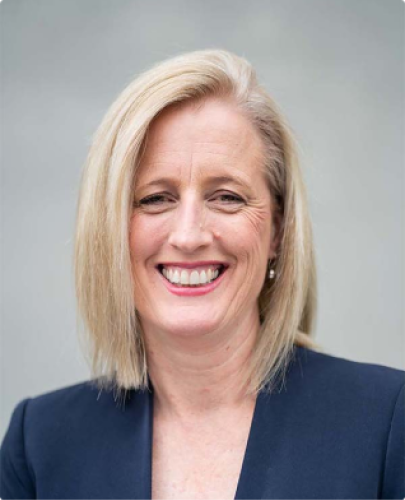
SENATOR THE HON KATY GALLAGHER
Minister for Finance
Minister for Women
Minister for the Public Service
Minister for Government Services
Senator for the ACT
ROSS SOLLY, HOST: Senator Katy Gallagher is also the Minister for Finance and joins us this morning. Senator, good morning to you.
KATY GALLAGHER, MINISTER FOR FINANCE: Good morning, Ross.
SOLLY: So, do you agree with the ATO's position on this?
GALLAGHER: Well, they're an independent authority. They've taken a decision. But we, and I, as I understand it—I've been away from good reception for a couple of days—but I've seen this story, you know, get a lot of attention. They will continue to engage with small business over this, as we would expect them to. I think the feedback that you just read out seems to sum it up pretty well. There's some people that support it, that think that people who are paying by debit card or transfer shouldn't subsidise those who are using another method. It's a very small percentage of people who use credit cards in order to pay their tax.
SOLLY: But it does seem to be a lot of small businesses though, Senator, and they're the ones who are really up in arms about this and saying, this is another slug on us. We've been hit again.
GALLAGHER: I mean, my advice was that it's still a relatively small part of the small business community. But I'm not discounting the fact that they are raising very serious concerns about this. I don't want to use that to diminish the concerns that those who do use it are making. But we would expect the ATO to continue to engage. I mean, the ATO also has a wide number of ways people, you know, who are managing cash flow or are in hardship can engage with the Tax Office. So, I just don't want people to think, you know, a credit card is the only way you can manage if you're having an issue with the timing or payment of tax. These small businesses should know that they should engage with the ATO because there are a variety of ways that small business can manage those difficult times.
SOLLY: So, have they just mishandled this? Rather than getting it wrong, they just mishandled the introduction of it or their decision-making process?
GALLAGHER: Well, again, look, from my understanding, they would have had some engagement with small business, but I'm hearing that some small businesses are saying that wasn't enough. I mean, this has come about because of the decisions and the work that the RBA has been doing around surcharging and use of credit cards. And they had to make some decisions about what it meant for their business, you know, their operations, I guess, rather than a business, as the Tax Office. They've taken that decision. But obviously they are seein, hearing the feedback, as is the government, and we would expect them to continue to engage with small business on this.
SOLLY: Yeah. I mean, at the very least, Senator Gallagher, do you think they should delay it for 12 months just to give businesses a chance to prepare for it? I mean, just bringing it in on day one and saying, right, that's it, we're not accepting credit card payments to you. I mean, it's a big stick, straight up. Do you think, to sort of ease into it, give businesses 12 months to prepare for it? Would that be a better outcome?
GALLAGHER: Look, I think that's one of the proposals that's been put on the table in the last couple of days. I mean, we—
SOLLY: Do you think that's fair? Do you think it would be a fairer approach?
GALLAGHER: Well, I think we should be listening to the feedback, Ross, and I think the ATO is, from my understanding. And the kind of view of the government is that there should be a transition period to support businesses. You know, I imagine there'll be further discussions around this based on the feedback that we've been getting over the last year.
SOLLY: Yeah. When it was introduced, your colleague Andrew Leigh was on the program talking about how this was going to be great for consumers, et cetera. But what we're now hearing is lots and lots of stories where coffee shops and other businesses, they're just jacking up the prices now to cover it. So, I mean, was this a good decision? Katy Gallagher, who's benefiting most out of this?
GALLAGHER: Look, well, I think the issue of surcharging has been an irritant for a lot of people for a long time. The RBA has been looking at this for a number of years - about how surcharging has been used and rates of surcharging. They've done a huge piece of work and engaged really broadly on it. And, you know, again, if you talk to small businesses, many small businesses do not have surcharging. Again, some businesses did, but not all businesses. And I guess there's a very strong argument that, you know, you should not be charged for using your own money, which is, you know, what people were having done. And so it was an issue. Many other countries have dealt with this as well, where they have banned surcharging. And, yes, there's a period of adjustment, but I think overall this is a very good decision over the longer term. Now, on the issue of the ATO, we have heard the feedback and understand the feedback. Our view is always that, whilst the ATO takes these decisions, you know, independently of government, that there should be a transition period and engagement with business over the arrangements. You know, the feedback we've been hearing, and certainly the ATO have been hearing, would emphasise that. And hopefully there's there's further discussions ongoing.
SOLLY: Yeah. Well, the list. I'm giving the opportunity for the listener this morning to have their say. We're running an ABC breakfast ballot, listening to it. Yeah. And Phil says, and I think this is the same point that you're making, Senator, and I think a lot of people are. Phil says, I'm no fan of the ATO, but you're damned if you do and you're damned if you don't. And I guess on this issue, and the poll seems to be suggesting there is a split out there, some people are thinking, yeah, I get it completely. 36% of you so far think that the ATO is doing the right thing and doesn't really have a choice. 64% of you are thinking, no, this is not the right approach. If you want to vote in our policy, yes or no. I know you've been away and. And not being able to get good service where you are, Senator. So, you would have missed the discussion over the past couple of days and it has been running red hot about this proposal for the new stadium. I got your message just before you flew out earlier on this week, saying that it's worth examining. You would have had a chance I guess, on the flight back and on the flight there to think more about it. Do you think that. Do you think it can work, Senator? And do you think it's something that you'd be prepared to go to the Prime Minister with and say, I think this deserves a good, long, hard look.
GALLAGHER. Thanks, Ross. And I was on Norfolk island, which is part of the ACT electorate. It is a beautiful place, so give it a little shout out there. Lovely island that's part of the ACT for voting purposes. On the issue of the stadium, I think the thing for me that has changed in the discussion around the stadium, but it's particularly around that part of that block of land, essentially, is that previously that land has not been in play or in consideration for the potential on that site because it has been privately owned and not owned by the government. And so if that changes and the proponents that have been putting forward this proposal about a stadium on that site, you know, are saying it could, it could change, then I think it is worth us in the long term of the nation's capital having a think about what happens on that piece of land. I think it's a nationally significant for the nation's capital. And I get, you know, for us as Canberrans, it's very important too. It's Commonwealth park, we use that part of Canberra all the time. But for our role as the nation's capital, it really does become a very important decision. And so I guess the point I was making is if it could work, we should be thinking about it. You can’t just rule it out.
SOLLY: I mean, you've lived in Canberra most of your life, and I know how much you love the lake and all that, and I know how much you also love going out to Bruce. But can you see a vision? Can you see a day where you could have a stadium in the middle of the city? And do you buy the arguments that are being put up, that this could revitalise the city and be a game changer?
GALLAGHER: Well, yes. I do think when you look at the proposal, if it could work. So, there's a lot of ifs and there's a lot of discussion and consultation to happen, I would think. But if the land became available and you could place a significant building on that site, it could fit and it could meet all the planning obligations of the nation's capital and the ACT then I think it's worth considering. I do. And I think there are arguments when you look around the world, around locations of stadiums, in terms of activation of nightlife or entertainment precincts, plus alignment with a whole range of other things that are happening in the CBD at the moment. I think it's worth considering. I guess my point, and when I've discussed, you know, spoken with Stephen Byron about the proposal that he and others are putting forward, I mean, my point is, yes, there's a lot of ifs and a lot of questions and potentially a lot of things that could rule it out. It is actually worth engaging on.
SOLLY: Andrew Leigh again referring back to him my conversation yesterday, he was very much of the view that, well, if the ACT Government doesn't support it then he's not going to support it. I mean you've had a conversation with Andrew Barr. We know he's got his mind set on Bruce but in the end, Katy Gallagher, I mean this can be done pretty well without the ACT Government for much of it. Does it matter? Government stands firm and says we want to continue with Bruce. Is that the end of the story?
GALLAGHER: Well, I think the approach we've taken is to work with the ACT Government on these big infrastructure decisions. Like again, when I was in the ACT assembly we didn't have a Commonwealth government that would work with us really on some of these big city defining issues. So, the first point is we work with the ACT Government. Yes, I've spoken with Andrew around this. You know, the ACT Government has a slightly different responsibility in relation to all of the other infrastructure they're building. So, I can completely understand the ACT going, hang on a minute. You know we've got to build hospitals and schools and roads and you know, we have a list of things, the Lyric Theatre, the public transport system. So, we have a list of things that in our kind of thinking are rated higher at the moment than the allocation of a large amount of money to a stadium. And that's what they've taken the decision to upgrade or make good essentially Bruce, with that investment with some money from us to help. But I think the thing for me again I come back to that sighting, that part of the lake, the role of the nation's capital very much comes into this. And so while we wouldn't want to do anything that the ACT Government was opposed to, I think the idea that that land may become available for public use in a sense should be considered and should be considered carefully. I mean this isn't a decision necessarily for my generation, but when you think about the role of the nation's capital, when the convention centre is built, when we're trying to attract big meetings to Australia's national capital, there is some, you know, benefit from thinking about this in a broader.
SOLLY: So, you would urge the Barr Government to be broad-minded about this?
GALLAGHER: Well, I mean, I don't tell the Barr Government what to do, but I've engaged with Andrew. I know that land previously was not part of anyone's consideration. You know, they have a whole list of infrastructure priorities, I think, that are much more pressing for them. And so I think Stephen Byron and others putting this forward and having that opportunity to think about it is something that I certainly support and want to engage with. But I'm not going to tell the ACT Government what to do.
SOLLY: Alright. We're looking forward to his return from Europe and we can have this discussion further. Senator Katy Gallagher, appreciate your time this morning. Thank you.
GALLAGHER: Thanks for having me on, Ross.