Radio interview - ABC PM
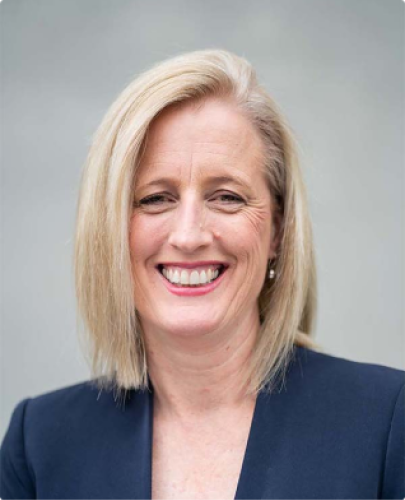
SENATOR THE HON KATY GALLAGHER
Minister for Finance
Minister for Women
Minister for the Public Service
Minister for Government Services
Senator for the ACT
DONOVAN: The Finance Minister, Katy Gallagher, who's taking her seat here in the studio with me now. She's carrying a big wad of papers as she goes around. Senator Gallagher, thanks very much for making the time to come in and tell our listeners a little bit about this budget, the fifth for you and the Treasurer, Jim Chalmers. Now, the overriding aim of this budget to be the equalising of treatment between people who earn their money by working and those who earn it through investments. Is that assessment right?
GALLAGHER: On the tax reform side, yes. I mean, one of the new elements in this budget is really to ensure a bit more, you know, a comparison between the way assets are taxed and the way income is taxed. And trying to rebalance that. Obviously still very advantageous on the asset front, but making sure that working Australians get a fair deal as well.
DONOVAN: Now, on the changes to the property tax breaks, you and the Treasurer say the modelling shows these measures will release 75,000 homes to Australian buyers. How have you come up with that number? And can you explain for us how those changes will do that?
GALLAGHER: Yes. So, that figure relates to first home buyers being able to purchase a home and it's over a 10-year period. So, the modelling that Treasury does, they obviously look at all aspects of this, but in the sense that we're targeting negative gearing to new builds, that does mean that those arrangements are no longer available or won't be when the legislation passes in 2027 for established dwellings. And that change alone over that period of time enables 75,000 first home buyers into the housing market.
DONOVAN: You mentioned 10 years there. I'm sure a lot of people listening are wondering when they're going to be able to buy a home to see the benefits of those changes, maybe even see the benefits for their children or grandchildren. Is it about a decade before these changes will start to really deliver results?
GALLAGHER: Well, that figures over a decade in relation to that change, but that shouldn't be seen in isolation of all of the other effort that we're doing in increasing housing supply across the country. And some of those other programs, like the 5% deposits, all of those, the Housing Australia Future Fund, there's other investments for enabling infrastructure to drive new housing in this budget as well. You know, we've got a pretty ambitious target to reach in terms of our housing accord and we've remained focused on that. So, what we're trying to do here is recognise that there are younger generations are feeling increasingly locked out of the dream, the Australian dream of home ownership. And we're looking at what levers are available to the Commonwealth government to continue to do everything we can to make that dream a reality. And that's what some of the decisions in this budget reflect.
DONOVAN: Is it fair, though, that younger Australians won't have access to some of those investor tax breaks that their parents and grandparents have had to enable them to build wealth through property?
GALLAGHER: Well, I mean, we are pro aspiration. We want people to have a real opportunity to grow their wealth and to work hard and invest where they want to. In fact, in relation to negative gearing, that opportunity is still available. We want that to be targeted in a way that drives new housing supply. So, for young people, if they are interested in that, that opportunity is there, but it would no longer be available on established dwellings. It would have to be in relation to new, you know, what else can we do to drive supply in this country?
DONOVAN: Now, the government is already copping a lot of flak from the opposition for breaking the PM's election promise that there wouldn't be any changes to negative gearing and capital gains tax. I'm sure that that criticism is going to ramp up in the next few days. What's your response to that criticism?
GALLAGHER: Look, I think Australian people elect us to govern and they elect us to make decisions based on the information available to us at that time. Our focus has been on supply, about driving supply. We need to build more houses in this country. That will help, but I think they also expect us to make the decisions, not necessarily the easy ones. Look, to be honest, it probably is easier to kick this can down the road and not deal with, is that the right thing to do for future generations? And the position we've come to is it's not. We should be dealing with it, dealing with it in a sensible way that still supports all of those issues around aspiration, but also just deals with some of these issues that have been around for a long time that have been left undealt with.
DONOVAN: Now, working Australians are also going to get two tax deductions. One's called the Working Australians Tax Offset, and then an immediate, immediate $1,000 tax offset for working Australians. When I say immediate, that's next year. Are those payments going to worsen the inflation situation?
GALLAGHER: Look, we believe they're timely and they're targeted. So, we've got the first tax cut coming in through this budget that builds on the stage three tax cuts. Then we've got a further tax cut next year, the instant deduction will come in. And then this new mechanism, the Working Australian Tax Offset, which is really setting up the architect to ensure that we can do, you know, reward wages and income in a way that, you know, I think recognises that working Australians need a break as well. And this will, this architecture will be there. And I think it provides cost of living relief, but at a time that doesn't add to the inflation challenge.
DONOVAN: Senator Gallagher, thank you very much for coming in, explaining some of the changes for us this evening. Katy Gallagher is the Finance Minister on ABC local radio and News Radio.